
Many homeowners have a hobby they love so much they start wondering if it could become something more than a weekend pastime. Turning a personal passion into a source of income or long-term value sounds exciting, but it also raises real questions about space, money, and time. Before you invest in equipment, renovations, or lessons, it helps to understand how passionate pursuits actually translate into lasting value for your home and your wallet. This guide walks through practical, real-world ways to evaluate and build on the hobbies you already care about.
Turning What You Already Own Into Something More

A surprising number of hobbies start with things already sitting in a closet, garage, or display case. What looks like clutter to one person can be a genuine asset to another, and recognizing that difference is the first step toward building value from a passion. A box of old baseball cards, a shelf of vinyl records, or a drawer of inherited jewelry can quietly appreciate for years before anyone thinks to check what it’s actually worth.
Many homeowners eventually realize their carefully curated collectors items, whether vintage toys, coins, or memorabilia, have grown into something worth insuring, cataloging, and even displaying properly. A rare comic book or first-edition print, for instance, can be worth thousands of dollars, but only if its condition, provenance, and authenticity are documented. Standard homeowners insurance policies often cap payouts on collectibles at a few hundred dollars, which means a separate rider or scheduled policy may be necessary once a collection’s value climbs into the thousands.
Understanding the current market for what you collect is essential before deciding whether to expand, sell, or simply enjoy the collection for what it is. Checking recent auction results, grading services, and specialty dealer forums can reveal whether a piece has actually gained value or simply gathered dust. That research also helps set realistic expectations, since sentimental value and market value rarely line up perfectly.
Before treating a collection as a financial asset, take time to research authenticity, condition, and demand. Provenance documentation, grading certificates, and third-party authentication (think PSA for trading cards or CGC for comics) can mean the difference between a piece worth hundreds and one worth thousands. Condition grading systems vary by category, so learning the specific scale for your niche—whether it’s vinyl records, watches, or sneakers—is essential before assigning any real value.
Demand is just as important as rarity. A limited-run item means little if only a handful of collectors are actively buying, so spend time studying recent sale prices on platforms like eBay’s completed listings, Heritage Auctions, or specialized marketplaces like WatchCharts or StockX. Tracking price trends over six to twelve months will tell you whether a category is appreciating, holding steady, or fading in popularity.
A hobby that feels purely personal can quietly become a smart long-term investment if approached with the same care you’d give any other purchase decision. That means keeping records of acquisition costs, factoring in insurance or storage expenses, and setting a realistic exit strategy—whether that’s consignment, private sale, or auction—before emotional attachment makes objective decisions harder.
- Get items appraised every 2-3 years, or sooner after major market shifts, to track changing value
- Use certified appraisers with credentials from recognized bodies (like ISA or ASA) for accuracy
- Store pieces in climate-controlled spaces, ideally 65-70°F with humidity between 40-50%
- Avoid direct sunlight and basements or attics prone to temperature swings
- Keep documentation, receipts, and provenance records organized in both physical and digital formats
- Back up digital records to cloud storage so proof of ownership survives fires, floods, or theft
- Join community groups, forums, or trade associations to stay current on trends and pricing
- Attend auctions, trade shows, or collector meetups to network and benchmark value firsthand
Creating a Dedicated Space for Practice and Growth
Homeowners who take a sport seriously often reach a point where practicing in the living room or driveway no longer cuts it. Converting a garage, basement, or spare room into a proper sports training room gives athletes of any age a consistent, distraction-free place to build skill. A 200 to 400 square foot area is often enough to install a batting cage net, a golf simulator, a pitching mat, or a section of artificial turf for agility drills, depending on the sport, and even a two-car garage can be repurposed with folding nets that tuck away when the space needs to double as parking.
The payoff extends beyond convenience. A dedicated sports training room removes the friction of packing up equipment, driving to a facility, and waiting for open court or field time, which means more repetitions logged per week. Coaches often point out that 15 focused minutes a day at home can outpace a single 90-minute weekly session at a shared facility, simply because the practice is frequent and low-friction.
Flooring matters too: rubber tiles or turf rolls protect joints during plyometric work, while mirrors along one wall help athletes self-correct form on swings, throws, or footwork. Ceiling height is worth checking before committing to a batting cage or golf simulator, since most require at least 9 to 10 feet of clearance to avoid clipped swings. Ventilation and lighting upgrades, such as an inline fan or LED panels rated for high-frequency use, keep the space comfortable for sessions that run into the evening.
This kind of space pays off whether the goal is personal fitness, competitive play, or simply making family practice sessions more productive. Parents managing multiple kids in different sports often find that a shared training room, equipped with adjustable nets, resistance bands, and a wall-mounted screen for reviewing recorded technique, cuts down on scheduling headaches and keeps everyone accountable to their own development. Labeling storage bins by sport or rotating a weekly practice calendar on the wall can further reduce the friction of multiple athletes sharing one room.
For families weighing the investment, the math often works out favorably against years of gym memberships, private lesson fees, or drive time to off-site facilities. A well-planned training room can also raise a home’s resale appeal, particularly in markets where buyers value flexible bonus spaces. Even a modest buildout signals a long-term commitment to skill development that a rented facility simply cannot replicate.
Equipping that space thoughtfully matters as much as the room itself. Families with young athletes often find that organizing baseball gear in a dedicated area extends its life, keeps it easy to find before games, and teaches kids responsibility for their equipment. Simple solutions like wall-mounted bat racks, labeled bins for batting gloves and helmets, and a designated shelf for cleats can turn a cluttered corner into a functional staging zone.
The same principle applies to any pursuit where passion is being converted into skill or income: the tools of the craft deserve a proper home. A photographer’s lens kit, a woodworker’s chisels, or a musician’s instruments all benefit from storage that protects them and signals that the work happening there is taken seriously. Even a modest investment, a $50 pegboard or a repurposed closet, can pay for itself many times over in reduced replacement costs and fewer last-minute scrambles.
A well-planned training space also tends to get used more consistently, since everything needed is already set up and ready to go. When gear has an obvious place and returning it takes seconds rather than minutes, the friction that often derails daily practice largely disappears. Over months and years, that small reduction in effort compounds into far more reps, more hours logged, and a genuine edge over competitors who never bothered to organize theirs.
- Add rubber flooring (3/8″ to 1/2″ thick interlocking tiles) to protect joints and reduce noise transfer to neighboring rooms; opt for tiles rated for high-impact use if your practice involves jumping or heavy equipment drops
- Install wall-mounted storage or pegboards to keep equipment organized and off the floor, preventing tripping hazards, and label hooks or bins so gear returns to the same spot after every session
- Include a full-length mirror, ideally 60-72 inches tall, for form checks during solo practice, positioned to catch movement from multiple angles if space allows
- Leave at least 6-8 feet of clearance for swings, throws, or footwork drills, adjusting based on the specific activity and the length of equipment like bats, racquets, or staffs
- Ensure adequate ceiling height and lighting so overhead movements or equipment don’t create safety risks, factoring in at least 12-18 inches above your fully extended reach
- Consider a small whiteboard or corkboard nearby to track goals, drills, or progress over time, splitting it into sections for weekly targets, personal bests, and areas needing improvement
Supporting the Body Behind the Passion
Any hobby that involves physical exertion eventually raises questions about recovery, energy, and long-term health. Paying attention to sports nutrition isn’t just for professional athletes; it matters just as much for a weekend golfer, a youth soccer player, or a parent training for a 5K. Getting enough protein, staying hydrated, and timing meals around activity can noticeably change how a person performs and recovers.
It’s easy to overspend on supplements without understanding what your body actually needs. A simple conversation with a doctor or registered dietitian can clarify whether extra protein powder or electrolyte drinks are worth the cost, or whether a few adjustments to regular meals would do the job just as well.
- Prioritize whole foods before relying on supplements
- Time carbohydrate intake around workouts, not just meals
- Track hydration, especially during outdoor summer activity
- Avoid products with vague or unregulated health claims
Upgrading Outdoor Recreation Vehicles
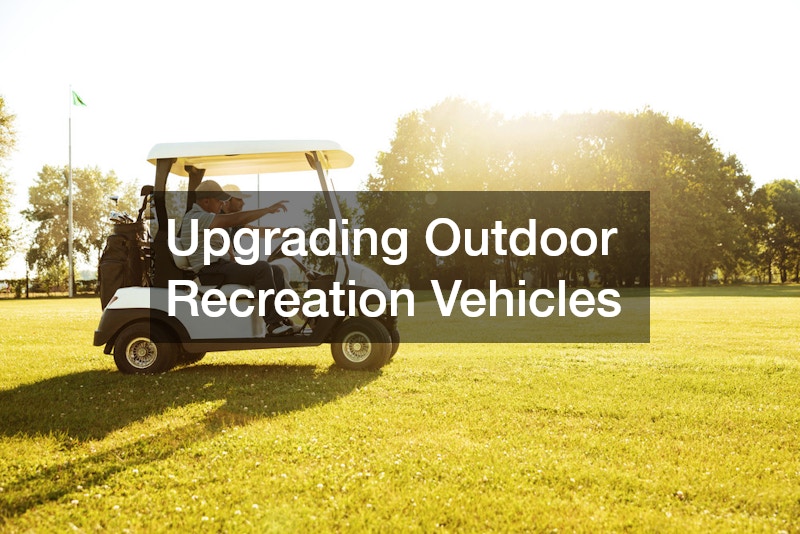
For homeowners with larger properties, acreage, or a love of golf, a golf cart often becomes an everyday tool rather than just a course accessory. Over time, worn tires, aging batteries, or outdated seating can make an otherwise reliable cart feel sluggish or unsafe. Sourcing quality golf cart parts to replace batteries, upgrade tires, or refresh upholstery is usually far more cost-effective than buying a new cart altogether.
Routine maintenance also extends the life of these vehicles significantly. Many owners wait until something breaks down completely instead of addressing small issues early, which ends up costing more in the long run.
- Check battery water levels monthly during heavy use season
- Replace worn tires before they affect handling on hills
- Inspect brakes twice a year, especially before winter storage
- Keep wiring covered to prevent rodent damage in garages
Making Home Safety a Shared Hobby
Firearm enthusiasts and hunters who want to practice safely and consistently often look into building or joining a facility closer to home. Access to a well-maintained indoor shooting range allows for regular practice regardless of weather, while also offering proper ventilation and soundproofing that backyard setups simply can’t match. For homeowners considering this as a serious long-term interest, understanding local regulations and safety certifications is just as important as the equipment itself.
Safety training should never be treated as optional, even for experienced shooters. Regular refresher courses and proper storage practices at home reduce risk significantly and are worth the modest time investment.
- Confirm proper ventilation systems are in place and maintained
- Ask about certified instructors for beginners in the household
- Store firearms separately from ammunition at home
- Review local licensing and safety requirements regularly
Investing in Backyard Wellness
Few home upgrades combine relaxation and fitness quite like water does. An inground swimming pool can become a genuine centerpiece for family gatherings, low-impact exercise, and even therapeutic recovery after a long week. Because the upfront cost is significant, homeowners should think carefully about maintenance, safety features, and how often the space will realistically get used before committing.
Beyond the initial installation, ongoing costs like chemicals, filtration, and seasonal opening or closing should factor into any decision. A pool that’s used consistently throughout the warmer months tends to justify its cost far more than one that sits mostly unused.
- Budget for annual maintenance, not just installation
- Add safety fencing or covers if young children are present
- Consider energy-efficient pumps to lower long-term costs
- Plan landscaping around drainage to avoid water damage
Nurturing Creative and Physical Discipline

Not every passion involves equipment or gear; some are built entirely around discipline, movement, and artistic expression. Enrolling a child, or even an adult, in ballet classes teaches posture, focus, and physical control that carries over into other areas of life. Because consistency matters so much in dance, finding a studio with a schedule that realistically fits your family’s routine is often more important than finding the most prestigious program available.
Costume costs, recital fees, and shoe replacements can add up quickly, so it helps to ask about the full financial picture before enrolling. Many studios offer trial classes, which are a low-risk way to see if the commitment is the right fit before investing further.
- Ask about recital and costume fees upfront
- Look for instructors with formal dance training credentials
- Confirm class sizes allow for individual attention
- Replace shoes as soon as support starts to wear down
Exploring New Water Sports Adventures
Water-based hobbies have expanded well beyond traditional surfing and swimming in recent years. Taking hydrofoil surfing lessons introduces riders to a newer style of board sport that uses lift to glide smoothly above the water’s surface, offering a different kind of challenge than standard surfing. Because balance and timing are more technical than typical paddleboarding, proper instruction early on prevents bad habits and reduces the risk of injury.
This hobby does require a meaningful upfront investment in equipment and lessons, so it’s worth trying an introductory session before committing to gear ownership. Many coastal towns and lakes now offer rental packages paired with instruction, making it easier to test interest before buying.
- Start with a certified instructor rather than teaching yourself
- Rent equipment before purchasing your own board
- Practice in calm, open water away from swimmers
- Wear a properly fitted life vest during every session
Passing Down Multi-Generational Outdoor Hobbies

Some hobbies naturally bring families together across age groups, and few do it as consistently as time spent outdoors near water. Fishing remains one of the most accessible hobbies because it requires relatively modest equipment and can be enjoyed from a dock, boat, or riverbank alike. For homeowners near lakes or coastal areas, investing in quality rods, reels, and storage can make outings more enjoyable and reduce equipment replacement costs over time.
Teaching kids proper technique, patience, and respect for local wildlife regulations turns a simple outing into a lasting family tradition. Many local parks departments and outfitters offer beginner classes, which can be a helpful starting point for families new to the hobby.
- Check local licensing requirements before heading out
- Invest in quality reels to reduce long-term replacement costs
- Teach proper catch-and-release techniques to protect local waters
- Store tackle in a dry, ventilated area to prevent rust
Building real value from a passion rarely happens overnight, but small, informed decisions add up over time. Whether the goal is preserving a collection, upgrading equipment, or creating a dedicated space at home, the key is matching your investment to how genuinely and consistently the hobby will be used. Take time to research costs, talk to experienced hobbyists, and start small before making major commitments. With a thoughtful approach, the things you love doing can become a meaningful and lasting part of your everyday life.