
Running a commercial business involves much more than providing products or services to customers. Behind every successful operation is a network of people, systems, equipment, facilities, schedules, and processes that must work together every day. When those pieces are properly maintained, employees can focus on their responsibilities, customers can receive consistent service, and business owners can devote more attention to growth.
Keeping everything moving requires planning and attention to both the obvious and less visible aspects of operations. Building maintenance, employee safety, transportation, equipment, documentation, inventory, and financial planning can all influence how efficiently a company operates. In this article, we will look at the different components that go into keeping a commercial business running smoothly and how thoughtful planning can help companies remain prepared for both everyday responsibilities and unexpected challenges.
Establish Clear Operational Systems
Every business needs reliable systems that explain how daily responsibilities should be handled. Without clear processes, employees may complete the same task differently, important information can become difficult to locate, and small inefficiencies can accumulate over time.
Businesses can begin by documenting recurring procedures. This might include opening and closing procedures, customer service processes, inventory management, equipment inspections, employee onboarding, purchasing, and emergency protocols. Written procedures give employees a reference point and can make training new team members easier.
Technology can also support these systems. Scheduling platforms, accounting software, inventory tools, communication systems, and project management applications can reduce the amount of information that has to be tracked manually.
However, technology should support a well-designed process rather than replace one. Businesses should periodically review their systems to determine whether they are still meeting operational needs.
Maintain The Commercial Property
The physical condition of a business property can have a major effect on daily operations. A damaged roof, deteriorating pavement, unreliable plumbing, or inadequate lighting can create disruptions that affect employees and customers alike.
Preventive maintenance is generally easier to manage than waiting until a major problem occurs. Businesses can create seasonal maintenance schedules that cover exterior inspections, HVAC equipment, electrical systems, plumbing, doors, windows, lighting, and other important building components.
When roofing concerns arise, businesses may want to research local roofing services before deciding how to address the issue. Taking care of minor concerns early can help prevent them from becoming larger disruptions.
The parking area deserves attention as well. Cracks, potholes, faded markings, and surface deterioration can affect the appearance and functionality of a commercial property. A parking lot sealcoating company can provide information about maintaining and protecting appropriate pavement surfaces.
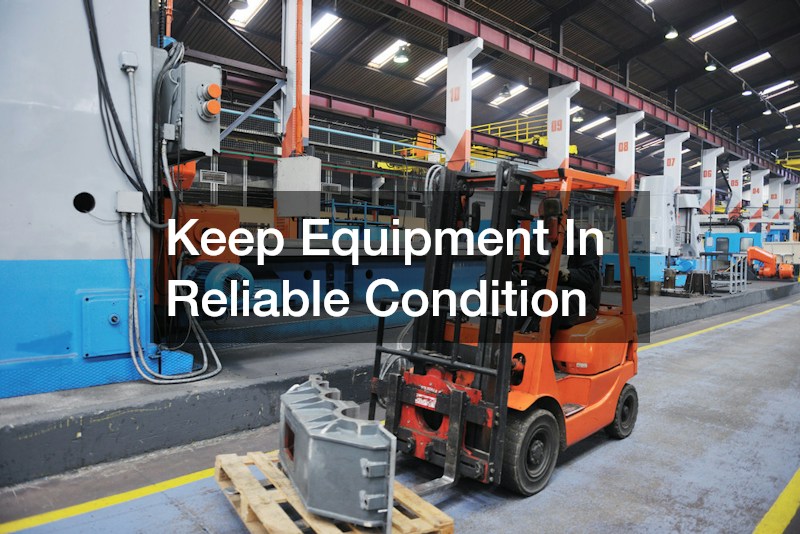
Keep Equipment In Reliable Condition
Many commercial businesses depend on specialized equipment to complete their work. Manufacturing facilities, construction companies, warehouses, transportation businesses, and other operations may rely on machinery that cannot simply be replaced when something goes wrong.
A preventive maintenance program can help companies track inspections, servicing, repairs, and replacement schedules. Employees should also know how to identify signs that equipment may not be operating properly.
Commercial weighing equipment is one example of machinery that may require careful attention. An industrial scale company can provide specialized equipment and services for businesses that depend on accurate weighing processes.
Heavy equipment requires its own considerations. Companies that regularly move large materials or machinery may need commercial crane services for specific lifting and transportation requirements.
Maintaining equipment is ultimately about more than protecting an investment. Reliable machinery helps employees perform their jobs safely and allows the business to maintain consistent operations.
Manage Company Vehicles Effectively
For businesses that operate service vehicles, delivery trucks, work vans, or other commercial vehicles, transportation can be a major part of daily operations. Vehicle downtime can delay appointments, deliveries, projects, and customer commitments.
Businesses can create maintenance schedules based on manufacturer recommendations and actual vehicle usage. Keeping records of inspections, oil changes, tires, brakes, and other maintenance can make it easier to identify recurring issues.
The appearance of company vehicles can matter, too. Vehicles often travel throughout the community and can serve as a visible representation of the business. Commercial vehicle wraps can be used to create consistent branding across a fleet while giving businesses another way to present their company name and services.
Specialized vehicles may require additional maintenance or appearance-related services. Businesses operating large trucks should account for their unique needs when creating fleet management plans.
For companies that want to refresh the appearance of heavy trucks, a semi truck painting company may offer specialized services suited to larger commercial vehicles.

Prioritize Employee Safety
A smooth-running business depends on employees being able to perform their work in a safe environment. Workplace safety should therefore be integrated into everyday operations rather than treated as an occasional administrative responsibility.
Businesses can establish safety procedures based on the types of work employees perform. Regular training can reinforce expectations for equipment use, protective equipment, emergency procedures, lifting practices, workplace hazards, and reporting requirements.
Managers should also make it easy for employees to report potential hazards. A loose handrail, damaged equipment component, blocked exit, or other concern may seem minor, but addressing problems promptly can help prevent more serious incidents.
Employee safety also includes understanding what happens when a workplace injury occurs. Businesses may consult a workers compensation attorney when they need legal information related to workers’ compensation responsibilities, claims, or disputes.
Maintaining accurate records is another important component of workplace safety. Documentation of training, inspections, incidents, and corrective actions can help businesses maintain organized safety programs.
Keep Inventory And Storage Organized
Inventory management can have a direct effect on productivity. Employees may lose valuable time searching for materials, products, tools, or supplies when storage areas are disorganized.
Businesses can establish designated storage areas and consistent labeling systems. Frequently used materials should be easy for authorized employees to access, while less frequently needed items can be stored elsewhere.
Inventory software can help businesses monitor quantities and identify when supplies need to be reordered. Regular physical checks can also help identify discrepancies between records and actual inventory.
Some businesses require temporary or additional storage space as operations change. Companies may encounter options such as used shipping containers for sale when evaluating storage solutions for certain commercial applications.
Before purchasing or placing additional storage units, businesses should consider available space, accessibility, security, local requirements, and how the storage solution fits into their overall operations.

Protect Sensitive Business Information
Businesses handle a tremendous amount of information. Customer records, financial documents, employee files, contracts, invoices, and internal paperwork may contain information that should not remain accessible indefinitely.
Document retention policies can help companies determine which records need to be retained and for how long. Once documents are no longer required, they should be disposed of appropriately.
Businesses may work with document shredding companies to securely destroy confidential paper records. Establishing a regular document disposal process can prevent boxes of outdated paperwork from accumulating in offices and storage areas.
Digital information also requires attention. Businesses should establish appropriate access controls, backup procedures, password practices, and security measures based on the nature of the information they maintain.
Organized information management can make it easier to locate necessary records while reducing unnecessary clutter and protecting sensitive material.
Develop Strong Financial Practices
Financial organization provides the foundation for many operational decisions. Businesses need to understand their revenue, expenses, payroll obligations, taxes, inventory costs, maintenance expenses, and other financial responsibilities.
Regular financial reviews can help business owners identify patterns and prepare for upcoming expenses. Creating separate budgets for routine operations and major capital expenditures can make large purchases easier to anticipate.
Businesses should also avoid making financial decisions based solely on short-term needs. An inexpensive solution may create additional costs later if it requires frequent repairs or replacement.
Entrepreneurs often have to balance immediate operational concerns with long-term objectives. The experiences and strategies of Robert Granieri, an entrepreneur, can serve as an example of how entrepreneurial thinking can involve attention to business development, decision-making, and sustainable growth.
Regardless of industry, financial planning should support the company’s actual operational needs and goals.
Plan For Transportation And Logistics
Businesses that move products, equipment, materials, or personnel need dependable logistics. Even a company with excellent internal operations can experience delays when transportation is poorly coordinated.
Businesses can map out regular delivery routes, establish loading procedures, and maintain communication between drivers, warehouse personnel, customers, and managers. Clear scheduling can reduce confusion and help employees understand priorities.
Large commercial operations may also need to coordinate specialized transportation for oversized equipment or materials. These situations require advance planning because the equipment, route, timing, and personnel involved may be different from those used for everyday deliveries.
Logistics planning should include backup options when possible. Traffic, weather, vehicle problems, supply shortages, and other unexpected circumstances can interfere with schedules, so businesses benefit from having contingency plans.
Build A Dependable Workforce
Employees are at the center of virtually every commercial operation. Even sophisticated technology and equipment cannot replace the importance of people who understand the company’s processes and customers.
Hiring should focus on the skills and responsibilities required for each position. Once employees are hired, effective onboarding can help them understand expectations, workplace procedures, safety requirements, and company culture.
Ongoing training is equally important. Employees may need to learn new technology, updated procedures, equipment operation, customer service practices, or regulatory requirements.
Communication should also move in both directions. Managers can provide feedback and expectations while giving employees opportunities to identify problems and suggest improvements.
When employees understand how their individual responsibilities contribute to larger business objectives, it can become easier to coordinate work across departments.
Prepare For Unexpected Problems
No business can eliminate every operational problem. Equipment can fail, severe weather can interfere with operations, employees can become unavailable, and suppliers can experience delays.
A business continuity plan can help companies prepare for these possibilities. The plan should identify essential operations, critical contacts, backup suppliers, emergency procedures, communication methods, and alternative work arrangements where appropriate.
Businesses should also review these plans periodically. A continuity plan created several years ago may no longer reflect the company’s current workforce, technology, facilities, suppliers, or customers.
Testing emergency procedures can reveal gaps before an actual emergency occurs. Even a simple review of contact information and responsibilities can make a difference when employees need to act quickly.
Review Operations Regularly
Businesses should not wait for major problems before evaluating how their operations are working. Regular reviews can identify small inefficiencies that might otherwise become normal parts of the workday.
Managers can examine maintenance records, customer feedback, employee concerns, inventory issues, vehicle downtime, scheduling problems, and recurring expenses. Looking for patterns can reveal opportunities to improve.
For example, if the same piece of equipment requires frequent repairs, replacing it may eventually make more sense than continuing to spend money on maintenance. If employees repeatedly encounter the same scheduling problem, the process may need to be redesigned.
Operational reviews can be informal or highly structured depending on the size of the company. What matters is consistently creating time to step back from daily tasks and evaluate how the business is functioning.
Keep Improving As The Business Grows
The systems that work for a small company may not remain effective as the business expands. More employees, customers, vehicles, equipment, locations, and responsibilities can introduce new operational challenges.
Growth therefore requires businesses to revisit their processes. A company may need additional software, management roles, storage capacity, equipment, or professional services as its needs change.
Business owners should also consider whether employees have the resources they need to keep up with increasing demand. Overloading a small team can eventually create mistakes, delays, and employee dissatisfaction.
Growth should be supported by infrastructure rather than simply increased workload. Investing in the right systems at the right time can help a company expand while maintaining consistency.
Create A Business That Is Built To Operate
Keeping a commercial business running smoothly requires attention to countless details, from property maintenance and equipment care to employee safety, financial planning, transportation, and information management. None of these areas exists entirely on its own. Each part contributes to the company’s ability to serve customers and meet its responsibilities.
The most effective approach is to make operational planning part of the company’s regular routine. Establish clear processes, maintain important assets, train employees, organize information, prepare for disruptions, and review performance regularly. By building dependable systems and improving them as circumstances change, businesses can create an operation that is better prepared for the demands of everyday work and future growth.