Land clearing services are crucial for preparing land for various purposes such as agriculture, construction, and land development. With the growing need for new infrastructure, the demand for professional land clearing has risen significantly. These services involve the removal of trees, stumps, rocks, and other vegetation to create a blank canvas for future projects.
By utilizing specialized equipment and skilled labor, land clearing companies ensure that the land is made safe and suitable for its intended use. Professional land clearing not only facilitates the construction process but also helps in minimizing environmental impact and promoting sustainable land management.
The importance of land clearing services lies in their ability to transform a piece of land into a usable state. They help eliminate potential hazards such as dead trees or overgrown vegetation that could pose a risk in future development. Moreover, proper land clearing is essential for maintaining ecological balance by preventing wildfires and controlling the spread of pests and diseases. By clearing unwanted vegetation, these services also enhance the aesthetic appeal of the land, making it more attractive for development. Overall, land clearing is a critical step in land development and management processes.
Another key aspect of land clearing services is their role in enhancing land value. Cleared land is more attractive to potential buyers or investors, which can significantly increase its market value. Additionally, by removing obstacles, the land becomes more versatile and opens up various usage opportunities such as farming, housing, and commercial projects. With the right services, property owners can maximize the potential of their land investments. As a result, land clearing services are not only practical but also a financially wise choice for landowners.
The Process of Land Clearing
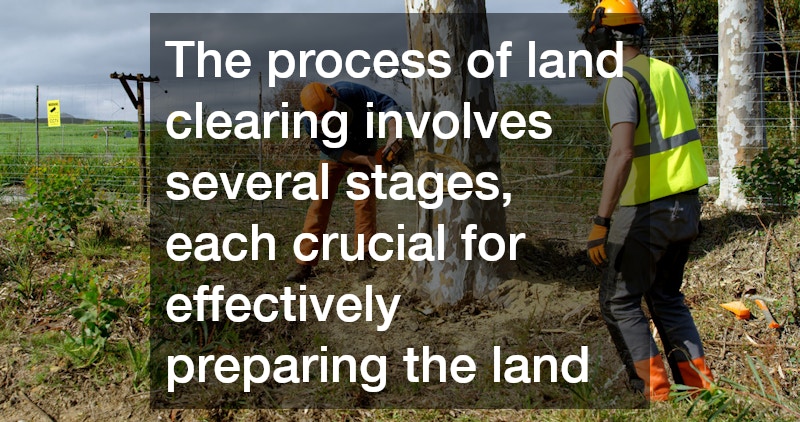
The process of land clearing involves several stages, each crucial for effectively preparing the land. Initially, a thorough assessment of the site is conducted to identify the extent of clearing needed and the best approach to take. This step includes understanding the type of vegetation present and any geographical or environmental considerations that need to be accounted for. Proper planning is essential to ensure that the clearing process is efficient and that any potential disruptions to the ecology are minimized. By undertaking a detailed assessment, land clearing services can develop a tailored clearing strategy that meets the specific needs of the landowner.
Once a plan is in place, the actual clearing takes place using specialized equipment such as bulldozers, excavators, and chainsaws. The use of this heavy machinery ensures that trees, stumps, and other obstacles are removed swiftly and safely. Skilled operators work in adherence to safety standards to avoid accidents and damage to the property. This phase can vary greatly in duration, depending on the size and complexity of the site. The goal is to create a clear and level surface, ready for its next phase of development or use.
After the land has been cleared, the final stage involves the cleanup and disposal of debris. This often includes the recycling or repurposing of materials where possible, aligning with environmental conservation efforts. Additionally, post-clearing tasks may involve soil stabilization and erosion control to maintain site integrity. The importance of this stage cannot be overstated, as proper finishing touches ensure long-term stability and usability of the land. This comprehensive approach guarantees that the cleared land is not only ready for immediate use but is also safeguarded for future sustainability.
Benefits and Considerations
Engaging land clearing services offers numerous benefits to landowners and developers. One major advantage is the time efficiency and expertise that professional services bring to the table. Attempting to clear land without adequate skills or equipment can be hazardous and time-consuming. Professional services handle the job safely and quickly, allowing projects to proceed on schedule. Furthermore, the expertise these companies offer in dealing with diverse vegetation types can prevent costly mistakes and ensure compliance with local regulations.
Another significant benefit is the improvement in land usability and aesthetics. Cleared land is often more functional, providing a cleaner slate for architectural and design planning. This change not only enhances the beauty of the property but also increases its market value. Property owners gain more flexibility in using the land for residential, commercial, or agricultural purposes. Additionally, clear land can provide safety by reducing fire risks associated with dense vegetation and mitigating pest issues.
While the advantages are ample, there are also considerations to keep in mind when opting for land clearing services. Environmental impact must be assessed and mitigated through proper planning and execution. Choosing a company that employs environmentally friendly practices, such as preserving certain ecological areas or using sustainable debris disposal methods, is essential. Moreover, understanding the legal requirements, such as obtaining necessary permits before clearing, is crucial in avoiding legal repercussions. By considering these factors, landowners can ensure a successful and responsible land clearing experience.